
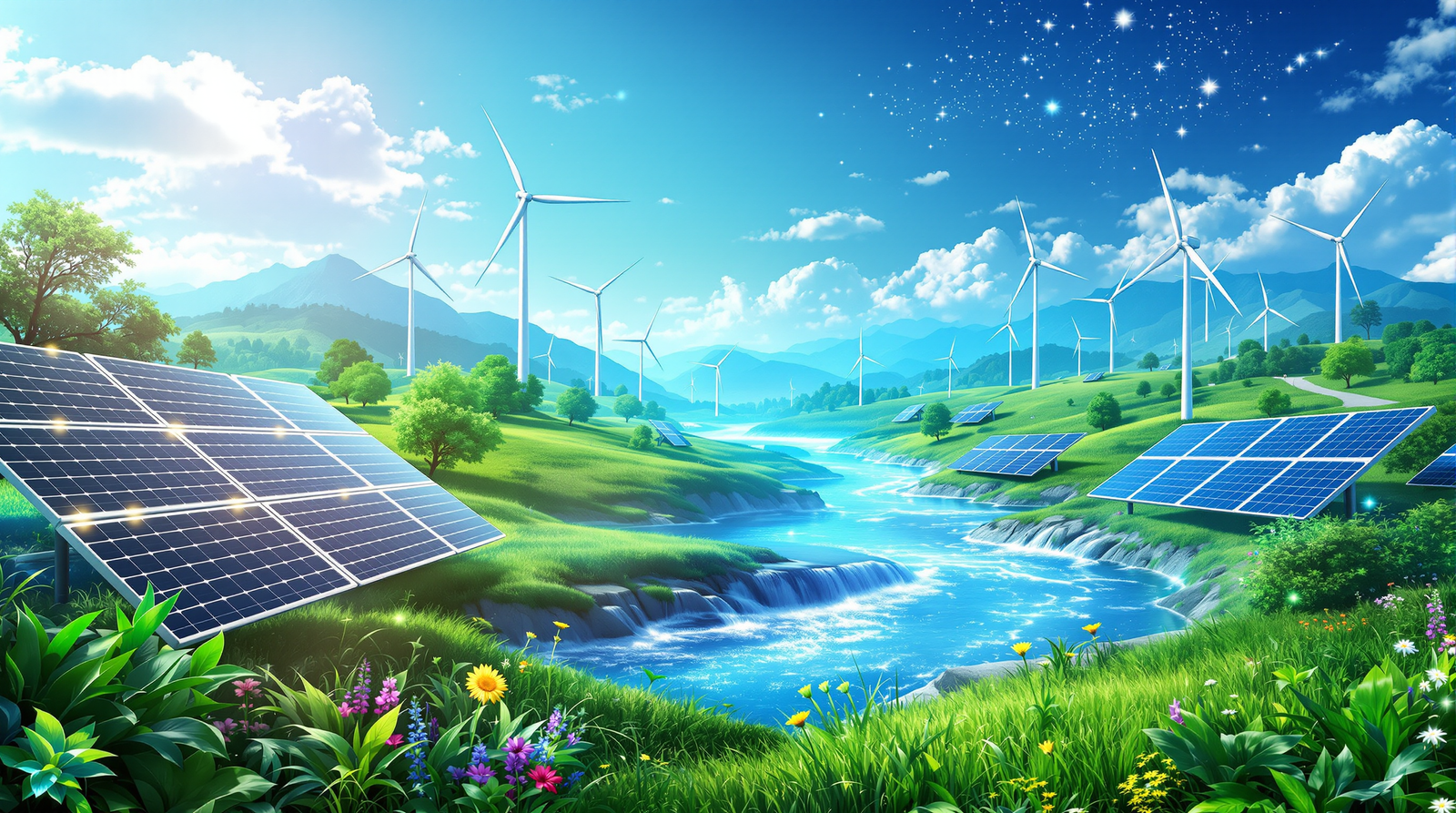
As we navigate through the 21st century, the demand for sustainable solutions has never been more pressing. “Unleashing the Power of Green Energy: How Renewable Sources are Shaping Our Sustainable Future” delves into the transformative landscape of renewable energy, illuminating its role in combating climate change and powering our lives. From solar panels capturing sunlight to wind turbines harnessing gusts of wind, these innovative technologies are not just alternatives; they are essential to our future. By embracing green energy, we pave the way for cleaner air, healthier ecosystems, and economic stability. This article explores the remarkable advancements in renewable sources, highlighting how they can energize communities and create a resilient, sustainable framework for generations to come. Join us as we uncover the immense potential of renewable energy in reshaping our world and inspiring action towards a more sustainable tomorrow.
Unleashing the Power of Green Energy: How Renewable Sources are Shaping Our Sustainable Future
The Importance of Renewable Energy in Today's World
As we journey through the complexities of the 21st century, the need for sustainable solutions has become increasingly evident. The exponential growth of human populations, coupled with industrial advancements, has significantly elevated our energy demands. Unfortunately, traditional fossil fuels, such as coal, oil, and natural gas, have long been the backbone of our energy infrastructure. However, their environmental toll, including greenhouse gas emissions, air and water pollution, and habitat destruction, has led to urgent calls for change.
Renewable energy sources offer a glimmer of hope in this daunting scenario. Unlike finite fossil fuels, renewable energy harnesses natural processes that are continuously replenished, such as sunlight, wind, water, and geothermal heat. These sources of energy are not only abundant but also environmentally friendly, producing minimal to no harmful emissions. By transitioning to renewable energy, we can significantly reduce our carbon footprint and mitigate the adverse effects of climate change.
Moreover, the importance of renewable energy extends beyond environmental benefits. It also plays a crucial role in enhancing energy security. Fossil fuel reserves are concentrated in specific geographical locations, often leading to geopolitical tensions and supply vulnerabilities. In contrast, renewable energy resources are distributed more evenly around the globe, allowing countries to harness local energy potential and reduce dependency on foreign energy imports. This decentralized energy model promotes stability and resilience, making communities less susceptible to global energy market fluctuations.
Types of Renewable Energy Sources
Renewable energy encompasses a diverse array of sources, each with its own unique characteristics and applications. One of the most widely recognized forms of renewable energy is solar power. Solar panels, or photovoltaic cells, capture sunlight and convert it into electricity. This technology has seen remarkable advancements in efficiency and affordability, making it accessible to both residential and commercial users. Additionally, solar thermal systems harness the sun's heat for various applications, including water heating and industrial processes.
Wind energy is another prominent player in the renewable energy landscape. Wind turbines, strategically placed in areas with consistent wind patterns, convert kinetic energy from the wind into mechanical power. This power is then transformed into electricity through generators. Offshore wind farms, located in coastal waters, further enhance the potential of wind energy by tapping into stronger and more reliable wind sources. The scalability of wind energy, from small rural installations to large-scale wind farms, makes it a versatile option for diverse energy needs.
Hydropower, derived from flowing or falling water, has been a cornerstone of renewable energy for centuries. Hydroelectric dams, which use water to spin turbines and generate electricity, provide a stable and reliable power supply. Additionally, smaller-scale hydroelectric projects, such as run-of-the-river systems, offer sustainable solutions for communities without large water reservoirs. Beyond electricity generation, hydropower plays a vital role in water management, irrigation, and flood control. The integration of advanced control systems has further optimized the efficiency and environmental compatibility of hydropower plants.
The Environmental Impact of Green Energy
Renewable energy sources have the potential to drastically reduce environmental degradation and promote ecological balance. Unlike fossil fuel combustion, which releases a significant amount of carbon dioxide and other pollutants into the atmosphere, renewable energy technologies produce little to no greenhouse gas emissions. This reduction in emissions is crucial for combating global warming and mitigating the impacts of climate change, such as rising sea levels, extreme weather events, and biodiversity loss.
Additionally, renewable energy systems contribute to improved air quality. Fossil fuel-based power plants emit harmful substances, including sulfur dioxide, nitrogen oxides, and particulate matter, which can lead to respiratory problems, cardiovascular diseases, and premature deaths. By replacing these plants with clean energy alternatives, we can significantly reduce air pollution and enhance public health. Solar and wind energy, in particular, have no direct emissions and require minimal water usage, making them environmentally benign options.
Furthermore, renewable energy projects can have positive effects on local ecosystems. For example, properly managed hydropower installations can create habitats for aquatic species and support fish populations through the implementation of fish ladders and other mitigation measures. Similarly, wind farms can coexist with agricultural activities, providing farmers with additional income streams while preserving land for food production. The integration of renewable energy into our energy mix fosters a harmonious relationship between human development and the natural environment.
Economic Benefits of Investing in Renewable Energy
The economic advantages of renewable energy investments are multifaceted and far-reaching. One of the most compelling benefits is job creation. The renewable energy sector is labor-intensive, requiring a skilled workforce for the installation, maintenance, and operation of solar panels, wind turbines, and other renewable technologies. As the demand for clean energy continues to grow, so does the need for professionals in engineering, manufacturing, and project management. This job growth can stimulate local economies and provide stable employment opportunities for communities worldwide.
Moreover, renewable energy projects often have lower operational costs compared to traditional fossil fuel-based power plants. Once the initial investment in infrastructure is made, the fuel for renewable energy sources—sunlight, wind, water, and geothermal heat—is free. This leads to predictable and stable energy prices, shielding consumers from the volatility of fossil fuel markets. Additionally, advancements in technology and economies of scale are driving down the costs of renewable energy systems, making them increasingly competitive with conventional energy sources.
Investing in renewable energy also presents significant opportunities for innovation and entrepreneurship. The development of new technologies and business models in the renewable energy sector fosters a culture of innovation, leading to breakthroughs that can be applied across various industries. For instance, advancements in energy storage solutions, such as batteries and grid integration technologies, enhance the reliability and efficiency of renewable energy systems. Entrepreneurs and startups are at the forefront of this green revolution, creating products and services that drive sustainable economic growth.
Technological Innovations in Renewable Energy
The rapid pace of technological innovation is a driving force behind the expanding capabilities of renewable energy. One of the most transformative advancements is in the field of energy storage. The intermittent nature of solar and wind energy has traditionally posed challenges for consistent power supply. However, breakthroughs in battery technology, such as lithium-ion and solid-state batteries, are revolutionizing energy storage by providing efficient and scalable solutions. These batteries enable the storage of excess energy generated during peak production times, ensuring a reliable power supply even when the sun isn't shining or the wind isn't blowing.
Another exciting development is the integration of smart grid technology. Smart grids use advanced communication and control systems to optimize the distribution and consumption of electricity. By enabling real-time monitoring and management of energy flows, smart grids enhance the efficiency and stability of the power grid. This technology also facilitates the integration of distributed energy resources, such as rooftop solar panels and electric vehicles, into the grid. The result is a more resilient and flexible energy infrastructure that can adapt to changing demand patterns and support the widespread adoption of renewable energy.
Furthermore, innovations in renewable energy generation are continually pushing the boundaries of what is possible. For example, floating solar farms, which place solar panels on bodies of water, are emerging as a promising solution for land-scarce regions. These installations not only generate clean energy but also reduce water evaporation and improve the efficiency of solar panels through cooling effects. Similarly, advancements in wind turbine design, such as vertical-axis turbines and airborne wind energy systems, are expanding the geographical scope and efficiency of wind energy generation.
Challenges Facing the Renewable Energy Sector
Despite the remarkable progress and potential of renewable energy, the sector still faces several challenges that must be addressed to achieve widespread adoption. One of the primary obstacles is the intermittency of renewable energy sources. Solar and wind energy generation is dependent on weather conditions, leading to fluctuations in power supply. While advancements in energy storage and grid integration are mitigating these issues, further research and development are needed to ensure a stable and reliable energy system.
Another significant challenge is the high upfront cost of renewable energy infrastructure. Although the long-term economic benefits are substantial, the initial investment required for solar panels, wind turbines, and other renewable technologies can be prohibitive for many communities and businesses. Government incentives, subsidies, and financing mechanisms play a crucial role in making these investments more accessible. Policymakers must continue to support the financial viability of renewable energy projects to drive widespread adoption.
Moreover, there are environmental and social considerations associated with renewable energy projects. For instance, large-scale hydropower dams can disrupt local ecosystems and displace communities. Wind farms, while generally environmentally friendly, can impact bird and bat populations if not properly sited. It is essential to conduct thorough environmental assessments and implement mitigation measures to minimize the ecological footprint of renewable energy installations. Community engagement and transparent decision-making processes are also vital to ensure that the benefits of renewable energy are equitably distributed.
Case Studies: Successful Implementation of Renewable Energy
Around the world, numerous case studies highlight the successful implementation of renewable energy solutions, demonstrating their feasibility and benefits. One such example is the city of Copenhagen, Denmark. Copenhagen has set an ambitious target to become carbon-neutral by 2025, and renewable energy is at the heart of this vision. The city has invested heavily in wind power, with offshore wind farms supplying a significant portion of its electricity. Additionally, Copenhagen has implemented district heating systems that utilize waste heat from power plants and industrial processes, further reducing its carbon footprint.
Another inspiring case is the island of El Hierro in Spain's Canary Islands. El Hierro has achieved near-complete energy self-sufficiency through a combination of wind and hydropower. The island's innovative energy system includes wind turbines that generate electricity when the wind is strong. Excess energy is used to pump water to a higher elevation reservoir. When wind energy generation is low, the stored water is released to generate hydroelectric power. This hybrid system ensures a continuous and reliable electricity supply, reducing the island's reliance on imported fossil fuels.
In the United States, the state of California has emerged as a leader in renewable energy adoption. California's aggressive renewable portfolio standards and supportive policies have spurred significant investments in solar and wind energy. The state has also pioneered the development of utility-scale battery storage projects, enhancing the reliability of its renewable energy grid. These efforts have not only reduced greenhouse gas emissions but also created thousands of jobs and stimulated economic growth. California's experience serves as a model for other regions seeking to transition to a sustainable energy future.
Future Trends in Green Energy Development
As we look to the future, several trends are poised to shape the development of green energy. One of the most promising trends is the continued advancement of energy storage technologies. The ability to store energy efficiently and cost-effectively will be crucial for the widespread adoption of renewable energy. Emerging storage solutions, such as flow batteries, hydrogen fuel cells, and advanced thermal storage, hold the potential to complement existing technologies and provide scalable options for diverse energy needs.
Another trend is the increasing integration of digital technologies into the energy sector. The Internet of Things (IoT), artificial intelligence (AI), and blockchain are revolutionizing how we manage and optimize energy systems. IoT devices enable real-time monitoring and control of energy consumption, enhancing efficiency and reducing waste. AI algorithms can predict energy demand patterns, allowing for better planning and management of renewable energy resources. Blockchain technology facilitates transparent and secure energy transactions, enabling peer-to-peer energy trading and decentralized energy markets.
Furthermore, the concept of sector coupling is gaining traction in the renewable energy landscape. Sector coupling involves integrating different sectors, such as electricity, heating, transportation, and industry, to create a more interconnected and efficient energy system. For example, excess renewable electricity can be used to produce hydrogen through electrolysis, which can then be utilized as a clean fuel for transportation or industrial processes. This holistic approach maximizes the utilization of renewable energy and reduces overall emissions, contributing to a more sustainable and resilient energy ecosystem.
Conclusion: The Path Forward for a Sustainable Future
In conclusion, the transition to renewable energy is not just a choice but a necessity for a sustainable future. The environmental, economic, and social benefits of green energy are undeniable, offering a pathway to combat climate change, enhance energy security, and promote economic growth. While challenges remain, the remarkable advancements in technology, supportive policies, and successful case studies provide a strong foundation for continued progress.
To unleash the full potential of renewable energy, it is imperative that governments, businesses, and individuals collaborate and take decisive action. Policymakers must continue to create an enabling environment through incentives, regulations, and investments in research and development. Businesses should embrace sustainable practices, invest in renewable energy projects, and foster innovation. Individuals can contribute by adopting energy-efficient habits, supporting clean energy initiatives, and advocating for policies that prioritize sustainability.
By embracing renewable energy, we can pave the way for a cleaner, healthier, and more resilient future. The power of green energy lies not only in its ability to generate electricity but also in its capacity to inspire positive change and drive collective action. As we move forward, let us harness the immense potential of renewable energy to reshape our world and create a legacy of sustainability for generations to come.